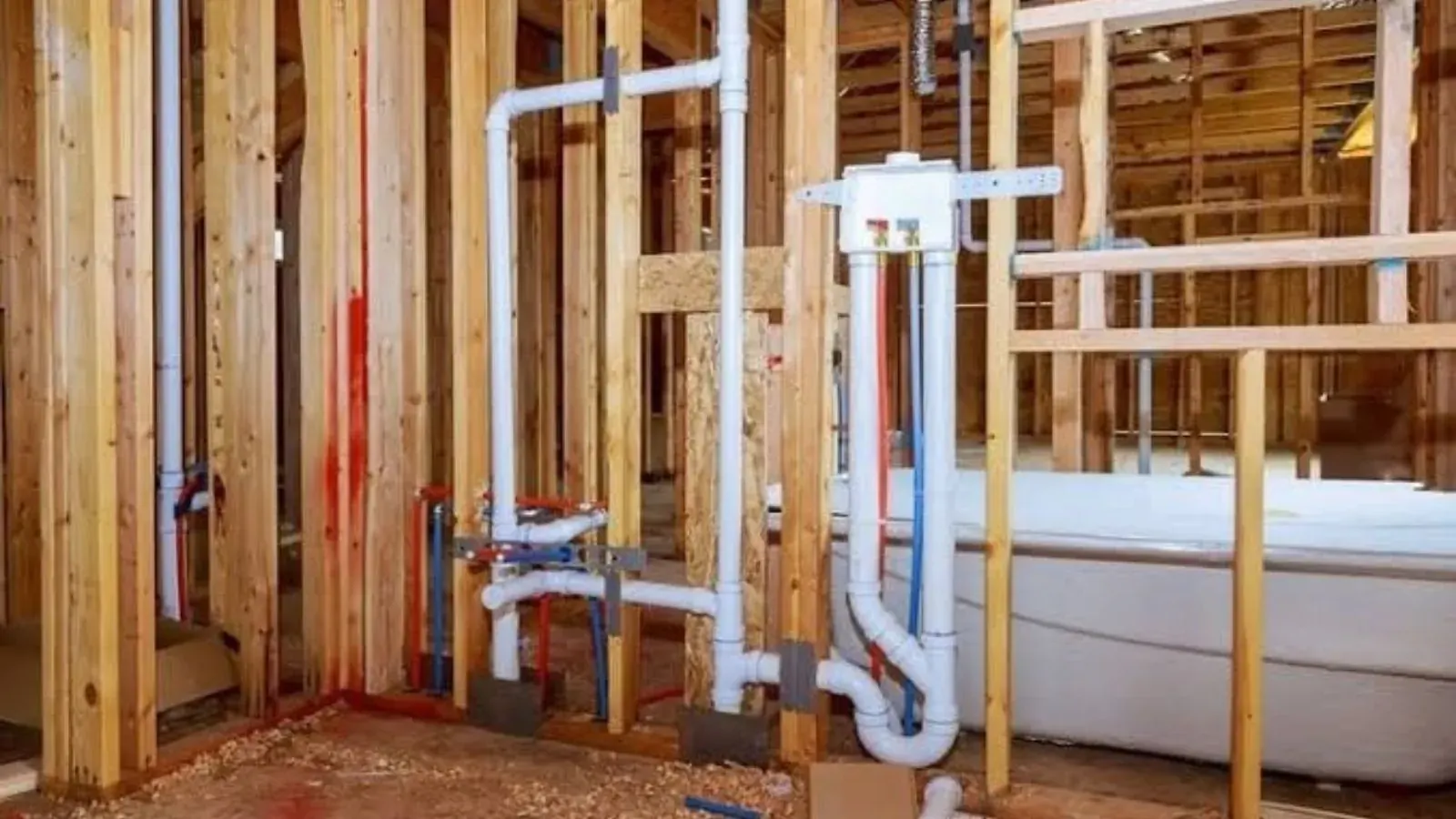
Plumbing Installation in Wasco, CA
Plumbing installation in Wasco covers anything that adds or moves water, drain or vent lines: a new sink, a relocated laundry, a gutted bathroom or a house going up from the slab.
The work is planned before the walls close, so the pipes land where the fixtures need them and pass inspection.
Adding or moving plumbing starts with what is already behind the wall
Most installation projects begin with a question about a wall or a floor: where does the supply run, and where does the drain go? Plumbing installation means connecting new fixtures or appliances to water, drain and vent lines, and building new lines where none exist. A plumber looks at the existing pipes, the access, and the distance to the nearest drain before saying what is practical.
A simple swap takes less planning than a new fixture in a room that never had one. Every fixture needs a supply line, a drain that slopes toward the main line, and a vent so the trap does not siphon dry, and those three limit where a fixture can go.
Four kinds of installation work
Where your project falls in this list decides how much of the house is opened up.
| Type of job | What gets opened | What to settle first |
|---|---|---|
| New fixture on existing lines | A cabinet or a short wall section | Whether the nearby drain and vent can take it |
| Relocating a fixture | Walls, ceiling or slab between old and new spot | Drain slope and vent path |
| Remodel rough-in | Studs exposed in a gutted room | Final fixture choices before pipes are set |
| New construction | Everything, from the slab or foundation up | Plans, sewer and water connections, inspections |
The more of the system that moves, the more the layout, not the fixture, drives the quote.
Planning a remodel or an addition?
Call and describe the rooms involved. We will match you with a licensed plumber and agree the scope and price before the work starts.
New fixtures on lines that already exist
Adding a bar sink, a utility sink, a second vanity or an extra dishwasher often means tapping a nearby supply and drain. If those lines are close and the old pipe is sound, the work can be done in a day.
If the nearby pipes are worn, the better plan is sometimes to replace a run before adding load. The plumber will tell you if an old galvanized or brittle section is a risk, and if the problem is widespread, repiping may be the more sensible project to price first.
Relocating lines: slope, vents and where pipes can go
A drain that moves has to keep its fall. California practice calls for horizontal drains to slope at least a quarter inch per foot, which limits how far a toilet or a shower can be moved from the stack. On a slab-on-grade home, a long relocation can mean cutting concrete.
Vents matter as much as drains. A moved sink without a proper vent will gurgle and may siphon the trap, and the vent has to rise through a wall or tie into an existing vent. Cleanouts, which give a plumber access for future drain cleaning, must be planned into new runs and not buried.
In Shafter, city code bars water piping inside a slab on grade with some exceptions, so a relocation there usually routes pipe through walls or overhead. If your project is in Shafter, the plan should be checked against that rule first.
Remodel rough-in: the order that avoids rework
Rough-in is the pipe stage before drywall and tile. Mistakes here are expensive to undo.
- Lock fixture choicesFaucet type, shower valve, tub model and toilet rough-in measurements decide where pipes stop, so choose them before the plumber sets anything.
- Mark drain, vent and supply routesThe plumber marks studs and joists and flags any structural limits that need a builder.
- Set pipes and shutoffsSupply lines, drains, vents and valves go in, with isolation valves where each fixture can be turned off separately.
- Pressure and leak testThe lines are tested while still exposed, which is the only time a leak is a small problem.
- Inspection, then close the wallsThe city inspector looks at the rough work before drywall hides it. Fixtures are set only after approval.
New construction plumbing from the slab up
Building a house means plumbing is laid in stages: under-slab drains first, then the water service, then rough-in, then fixtures. Call 811 before any digging so buried utilities are marked.
In Wasco, building or altering a sewer connection requires a permit from the public works director, and city code requires a cleanout at the junction where the house sewer meets the soil pipe. The sewer lateral from 12 inches outside the building to the main belongs to the owner. Wasco's local code adopts the 2022 California Plumbing Code by reference, while the state's 2025 edition took effect January 1, 2026, so confirm with the city which edition your inspector applies.
Laundry rooms, appliance lines and outdoor spigots
These add-ons are common, and each has its own details.
- Laundry boxes and standpipes. A washer needs hot and cold shutoffs and a drain with its own trap and vent, not a connection to the nearest sink.
- Water lines to appliances. Refrigerator ice makers, dishwashers and filter units each need a dedicated shutoff and a supply that is accessible for repair.
- Gas appliances. A dryer, range or water heater on gas needs a gas connection inspected and tested. If you ever smell gas, leave the building and call SoCalGas from outside, and read how gas line repair is handled.
- Outdoor spigots. Spigots with a built-in vacuum breaker protect household water from backflow, and a frost-resistant model is the better choice where freeze nights occur.
- Irrigation tie-ins. Wasco's code requires the user to install a backflow assembly at their own expense and have it tested by a state-certified tester, so ask the city if your sprinkler line needs one.
Plan the shutoff locations before the tile goes up, since a hidden valve is a valve nobody will find in a hurry.
Pressure, hot water and supply sizing for new work
New fixtures add draw, and a supply that was fine for one bathroom may run weak with two. Where water pressure is above 80 psi, the California Plumbing Code calls for a pressure regulator, and an expansion tank is required on the cold side downstream of it. A plumber checks static pressure with a gauge rather than guessing.
Hot water piping is generally insulated under state energy rules, and a longer run to a new bathroom can mean a wait for hot water. If the demand is growing, it may be time to look at water heater installation as part of the same project.
Who to ask about permits in each town
We do not set permit rules. Each city does, and the right office differs.
| Town | Where to ask | Worth knowing |
|---|---|---|
| Wasco | City Hall, 746 8th Street, Community Development or Planning | The city directory lists no separate building department |
| Shafter | Building Department, 336 Pacific Avenue | The city lists plumbing, sprinklers, water heaters and gas lines among permit work |
| McFarland | Building Division, 401 W. Kern Avenue | Sewer Connection and Gas Plumbing are separate permit types on the city application |
Contractors working in McFarland also need a city business license and insurance on file. Ask your plumber to confirm that before work starts.
Permits and inspections: ask the city first
Whether a given job needs a permit depends on the scope, and we cannot tell you what a city will require from a distance. Call your city building authority before you buy fixtures, describe the job, and ask what inspections it expects. A licensed plumber can pull permits on your behalf. California requires a contractor license for jobs at or above the CSLB threshold, and you can check any plumber at cslb.ca.gov.
What drives an installation quote
No two installation jobs are the same, so a price starts with a list of what is being built.
Homeowner's insurance generally does not pay for planned upgrades, so budget accordingly.
Call the number on this page, describe the project, and the plumber will tell you what they need to see before they price it.
Where installation crews are dispatched
Installation work is scheduled around Wasco, along State Route 46 and State Route 43, and in nearby McFarland. Daytime scheduling is standard, and we say so early if a job needs more than one visit.
Questions before you plan the work
It depends on the drain slope, the vent path and the distance to the supply. A plumber looks at the nearest drain and vent and tells you what is practical and what would involve opening the floor.
Permit rules are set by your city, and the answer can differ for a swap and for a new line. Ask your city's building authority before you start. Shafter and McFarland publish their own contact points, and Wasco's directory lists Community Development and Planning at City Hall.
A licensed contractor can pull the permit and schedule the inspection, and the plan is agreed with you first. An owner-builder can sometimes do it, but McFarland requires an acknowledgment form for that route.
Usually yes. A laundry needs hot and cold supply, and a vented drain. An outdoor spigot needs a supply tap and a vacuum breaker, and the wall type affects the work.
Installations are planned work, not emergency work. If a fixture has failed and is leaking, call the line and the plumber can stop the leak first, then schedule the installation. For a flooding toilet, see toilet repair.
The property address, the tenant's contact if access is needed, and a short description of what you want added. The plumber notes what the building allows and what the city may require.
Set the plan before the walls close
Tell the line what you want installed and where. Same-day appointments are offered when available for site visits.