Signs Your Plumbing Vent Pipe Is Clogged
Gurgling drains, a toilet that bubbles when the washer empties, and slow fixtures all over the house usually point to a clogged plumbing vent pipe or a blocked main drain.
The vent is the open pipe that lets air into your drain system. When it plugs, water cannot flow smoothly and the plumbing starts to complain.
A plumbing vent pipe runs from your drain lines up through the roof. It feeds air in behind the flowing water and lets sewer gas escape above the house. If a nest, leaves or debris close the top, that air supply stops.
The first warning is almost always sound. You hear gurgling from a sink or tub when another fixture drains, or a toilet glugs after a flush. One slow sink on its own is a local clog, but several fixtures acting up together should make you suspect the vent or the main line.
Vent problem or drain problem? Read the symptoms
Use this table to sort what you notice into the most likely cause. It narrows the search, though only an inspection confirms it.
| What you notice | Most likely cause | Why it happens |
|---|---|---|
| Gurgling after a flush or while the washer drains | Blocked vent or partly blocked main | Air gets pulled through the water in a trap because it cannot enter from the roof |
| One sink drains slowly, everything else is fine | Local clog in that fixture | The vent serves the whole system, so a single slow drain rarely points to it |
| Sewer smell near a drain that has no standing water | Siphoned or dry trap | Suction can pull the water seal out of a trap, which lets odor rise |
| Toilet flushes weakly and the bowl level jumps | Vent or main drain | The flush needs air behind it to push waste through cleanly |
| Water backs up in the lowest tub or a floor drain | Main drain blockage | Water rises at the lowest opening when the line is full |
| Slow drains and gurgling at every fixture | Either one | A camera inspection settles it quickly |
Notice that the vent shows up in sound and smell first, while a main drain blockage shows up in standing water first. That difference is the single most useful clue you have.
Hearing gurgles at more than one drain?
Call the number on this page and describe what you hear. We answer 24/7 and can line up a licensed plumber who will check the vent and the main line.
Checks you can do safely from the ground
None of these needs a ladder or tools. Take a few minutes and write down what you find, because a plumber will ask.
- Run one fixture at a timeFill a sink, release it, and listen at the other fixtures. Note which ones gurgle and which stay quiet.
- Test the toiletFlush once and watch the bowl. A bowl that dips, glugs or burps points to an air problem rather than a plain clog.
- Refill rarely used trapsPour a quart of water into a floor drain or a guest bath that sits unused. If the odor disappears, the trap had simply dried out.
- Look at the roof from the yardFind the vent stack poking through the roof and look for a visible nest or debris. Binoculars help. Do not climb up, because a roof fall is the real danger in this job.
- Stop if water risesIf any drain backs up, stop running water everywhere and move to the next section. More water only pushes the problem into your floor.
When a vent problem becomes a backup
A blocked vent alone rarely floods a house. A blocked main drain does, and the two look alike at first.
Do this while you wait for help
- Stop using water No flushing, no dishwasher, no laundry. Every gallon you add has nowhere to go.
- Keep people and pets back Sewage on a floor is a cleanup job for a professional, so keep children and animals out of the wet area.
- Skip chemical drain openers They do not clear a vent, and they can splash on whoever has to work on the line afterward.
- Call the line We answer the emergency line 24/7 and can send a licensed plumber, with same-day appointments when available.
Why a vent pipe clogs in the first place
Most vent blockages start at the top. Leaves, trash blown onto the roof, bird nests, and insect nests can all settle into an open pipe. Once the opening narrows, even a small amount of debris cuts the airflow.
Blockages can also hide below the roofline. A remodel may leave a vent capped, tied in with too small a pipe, or crushed in an attic. If the symptoms began right after construction work, tell the plumber that detail first.
What changes the outcome
Not every gurgle needs the same repair. These details decide how big the job is.
- Where the blockage sits A plug at the roof opening is a short job. A plug lower in the line may need cable work from a cleanout.
- How many fixtures are affected One bathroom group with a problem suggests a branch vent. Every fixture suggests the main vent or main drain.
- Roof access A steep or fragile roof changes how the vent gets cleared and how long the visit takes.
- Recent remodel work Altered piping may need correction rather than cleaning, and corrections can involve a permit.
Telling the dispatcher which of these apply helps the plumber arrive prepared.
What a plumber does to confirm the cause
A plumber starts by testing the fixtures and listening, then looks for the point where the symptoms begin. A camera pushed through a cleanout shows whether the main drain is open, which separates a vent block from a line block. If the line is clear, the next move is checking the vent from the roof with a cable or a flush of water.
When the camera finds the clog lower down, drain cleaning with a cable clears it without touching the roof. A stubborn main blockage may call for sewer line cleaning, and a recurring one is worth a look with a sewer camera inspection to find out why it keeps returning.
The California Plumbing Code, which is based on the Uniform Plumbing Code (UPC), also calls for a cleanout at the upper end of each horizontal drain pipe, so make sure yours is reachable before the visit.
Wasco note: find your cleanout before the plumber does
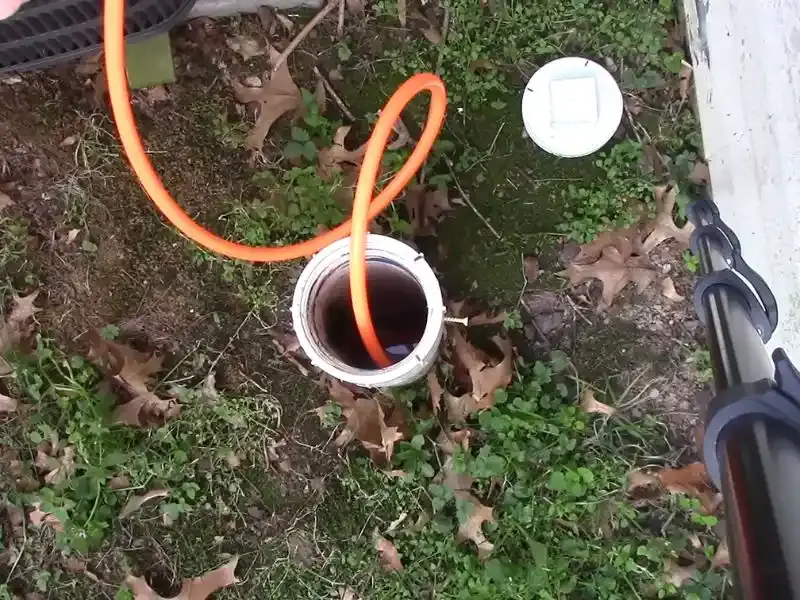
The City of Wasco code requires a cleanout in every house connection sewer, placed at the junction with the soil pipe. That access point lets a plumber test whether the line from the house to the city main is moving freely. If it is, the trouble is more likely a vent than a main line clog.
Knowing where your cleanout sits saves time on the visit. If you cannot find it, tell the dispatcher and ask the City of Wasco Public Works department about your connection. We also dispatch to homes in Shafter and McFarland, where sewer rules can differ from city to city, so ask that city directly.
Who may do the work
California requires a contractor license for work worth one thousand dollars or more in labor and materials, so check any plumber at cslb.ca.gov. Under that amount is not automatically license-free, since a license can still be required when the work needs permits or employees.
Questions about clogged vent pipes
Yes. Reduced airflow can make water leave a fixture sluggishly even when you hear nothing. If only one fixture is slow, a local clog is still the likelier cause.
If the slowness spreads to the shower, the sink and the toilet at once, the vent or main drain moves to the top of the list.
No. A dry trap, a cracked drain pipe or a failed seal under a toilet can all produce it. Refill rarely used drains first, since that is the easiest test.
A smell that stays after the traps are full deserves a plumber's attention, because the source needs to be found rather than masked.
Roof work carries a real fall risk, and a vent that looks clear from above may be blocked lower down. Most homeowners are better off letting a plumber handle it.
If you do hire someone, confirm the license first. California requires a contractor license for work worth one thousand dollars or more in labor and materials.
For the house sewer, Wasco's code says no permit is needed to clear stoppages or repair leaks. A permit from the public works director is needed to alter a sewer connection or to replace the sewer with a different material.
Rerouting vents is a different question, so ask the City of Wasco Community Development office before changing the pipe layout.
Look for standing water in the lowest fixture, such as a shower base or a floor drain, when you run a sink upstairs. Water showing up there means the main line is full.
That situation can become an emergency, so stop using water and call the 24/7 line.
Get the cause found, not just the noise quieted
A plumber can confirm whether the vent, the main drain or one fixture is at fault. Call the number on this page, and you will get a clear price before work starts.